Centro Ceremonial Otomí con gran riqueza cultural, histórica y natural
Whether you’re looking for unique or traditional Mexican baby names for a boy or a girl, our list of 85 names can provide the inspiration you need.. The best Mexican names are inspired by the country’s indigenous cultures like the Mayans and Quiché, as well as Spanish settlers.
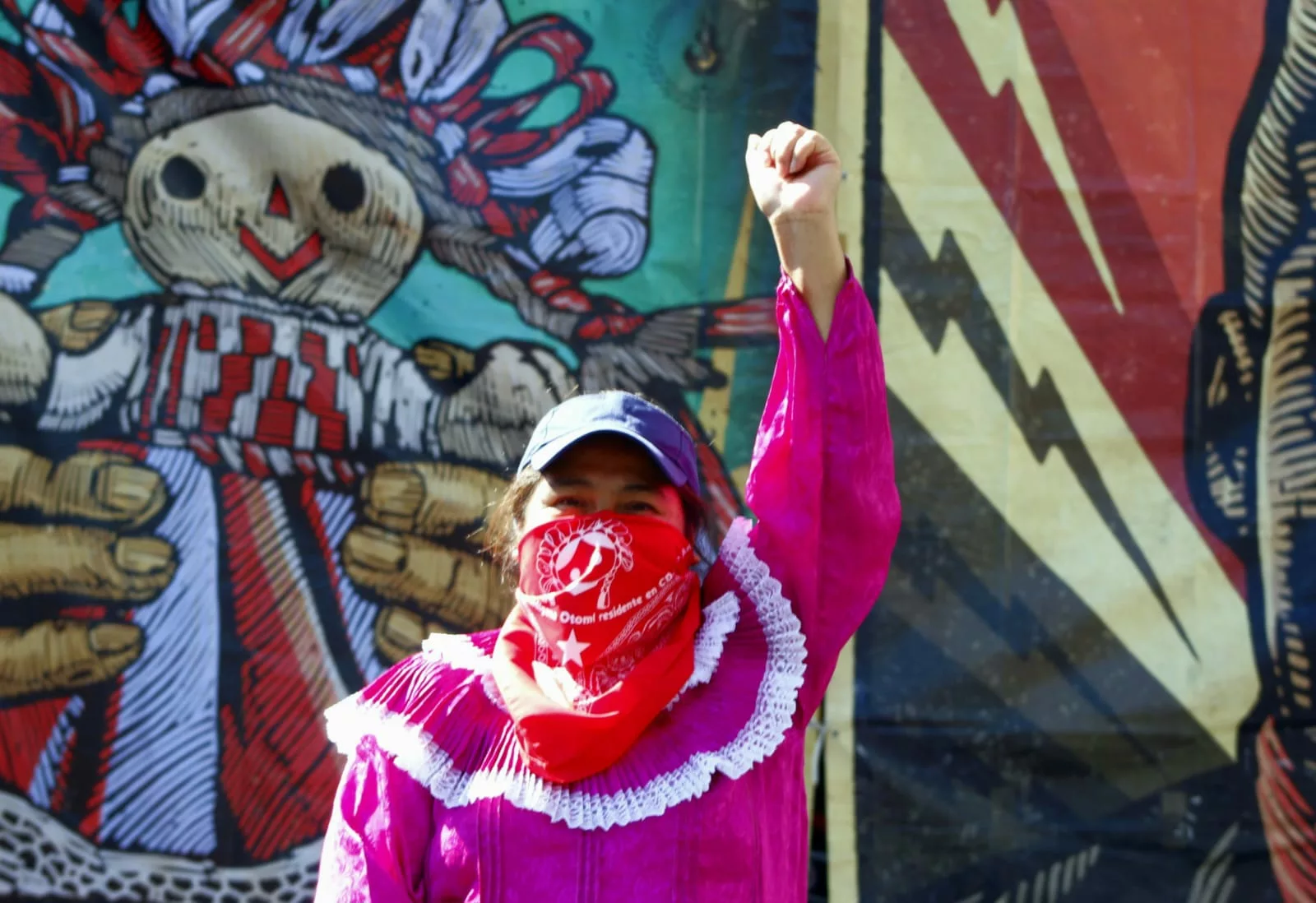
Tres años de lucha otomí Toma y aniversario de la Casa de los Pueblos
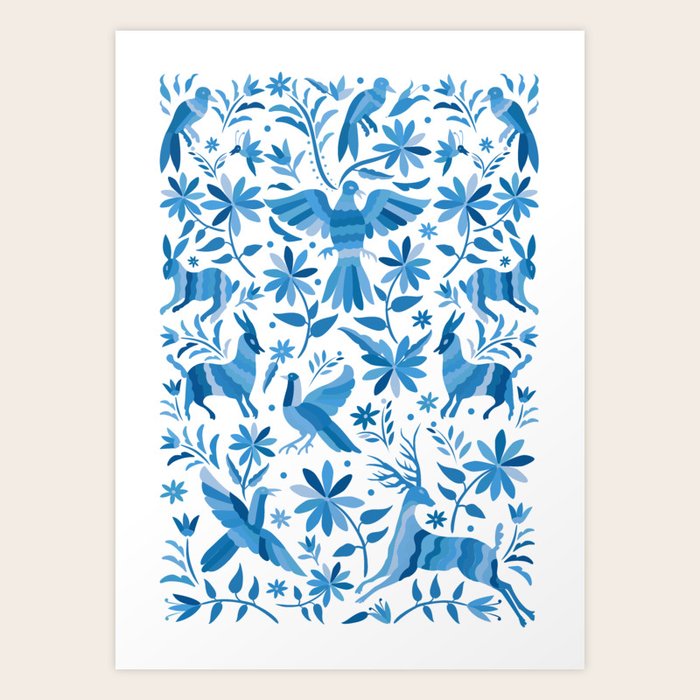
Mexican Otomí Design in Light Blue by Akbaly Art Print by Akbaly Society6
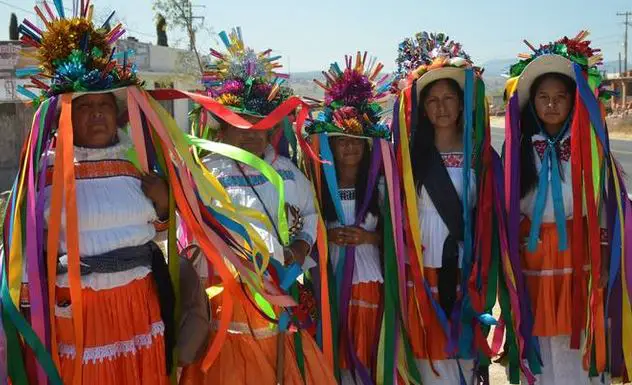
Otomi People

Adorno de bordado otomí mexicano colorido textil tradicional mexicano

Caractéristiques de l’histoire des Otomi

México declara sitio otomí zona arqueológica IMAGEN RADIO
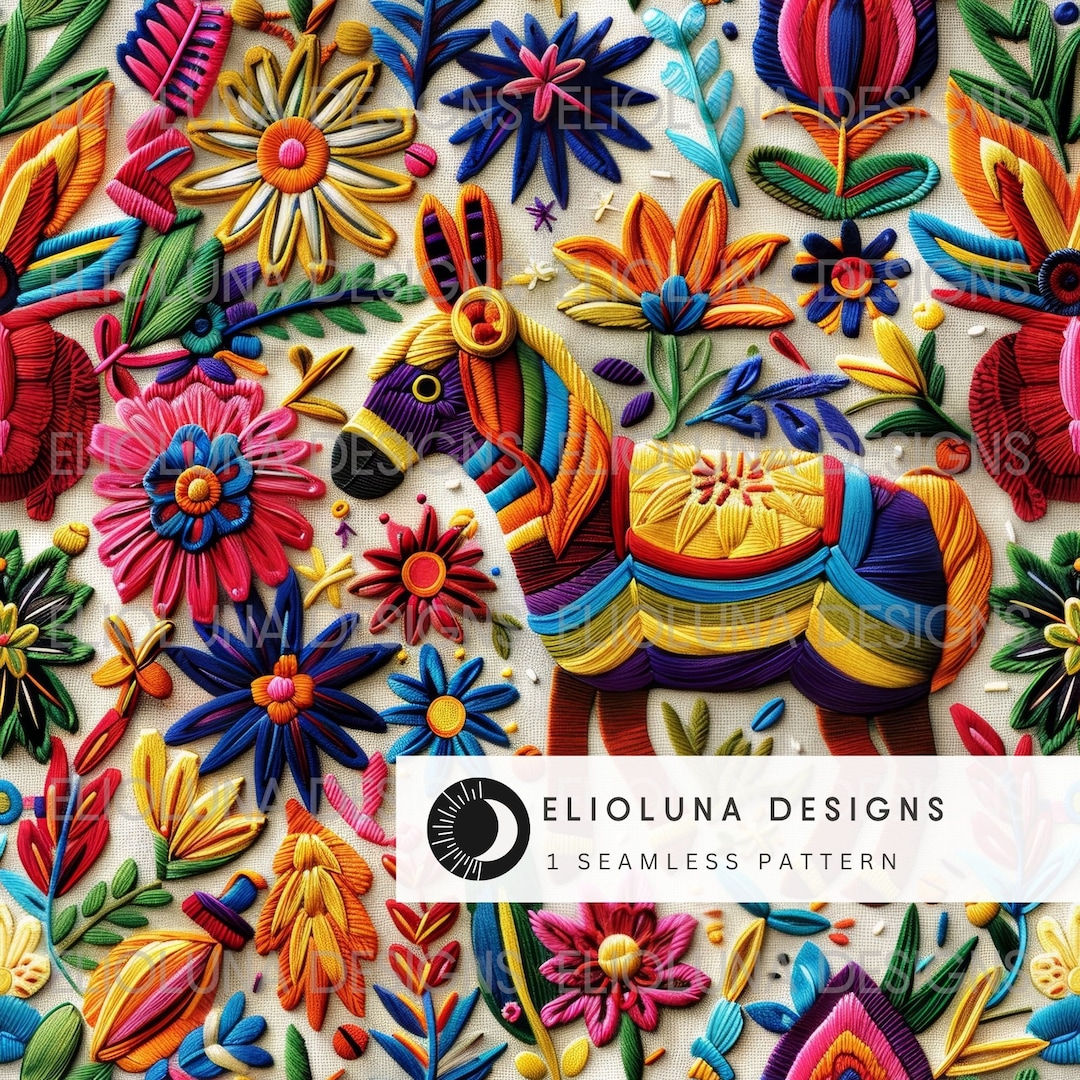
Donkey Mexican Faux Embroidery Pattern Mexican Otomi Seamless Mexican

Telas Satin Brillante Diseños Estilo Bordado México Otomí 3m Meses

Centro Ceremonial Otomí con gran riqueza cultural, histórica y natural
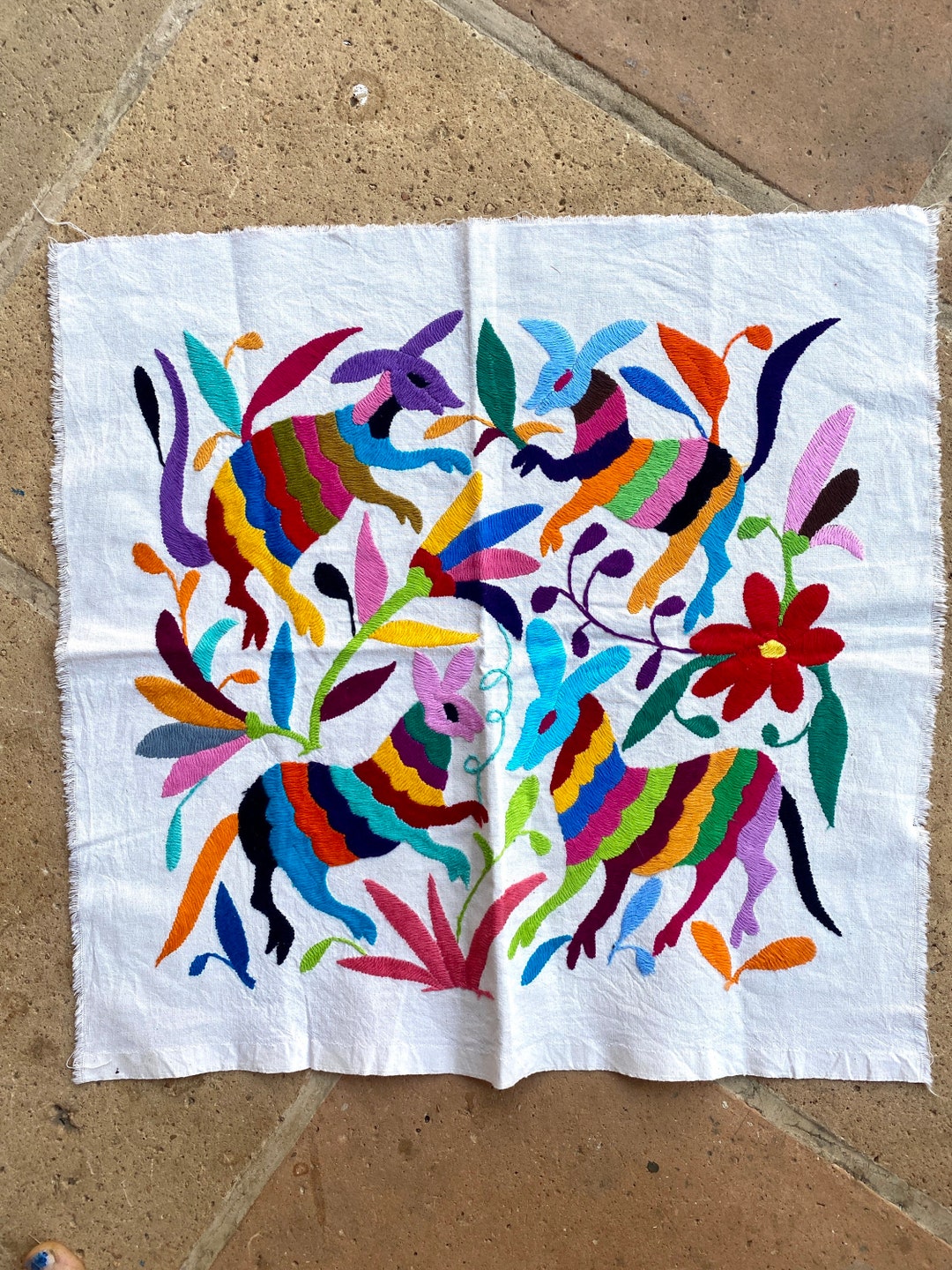
Small Otomi Mexican Hand Embroidered Tapestry With Animales and Flowers

Pueblo otomí o hñänñu, origen, historia y tradiciones México Desconocido
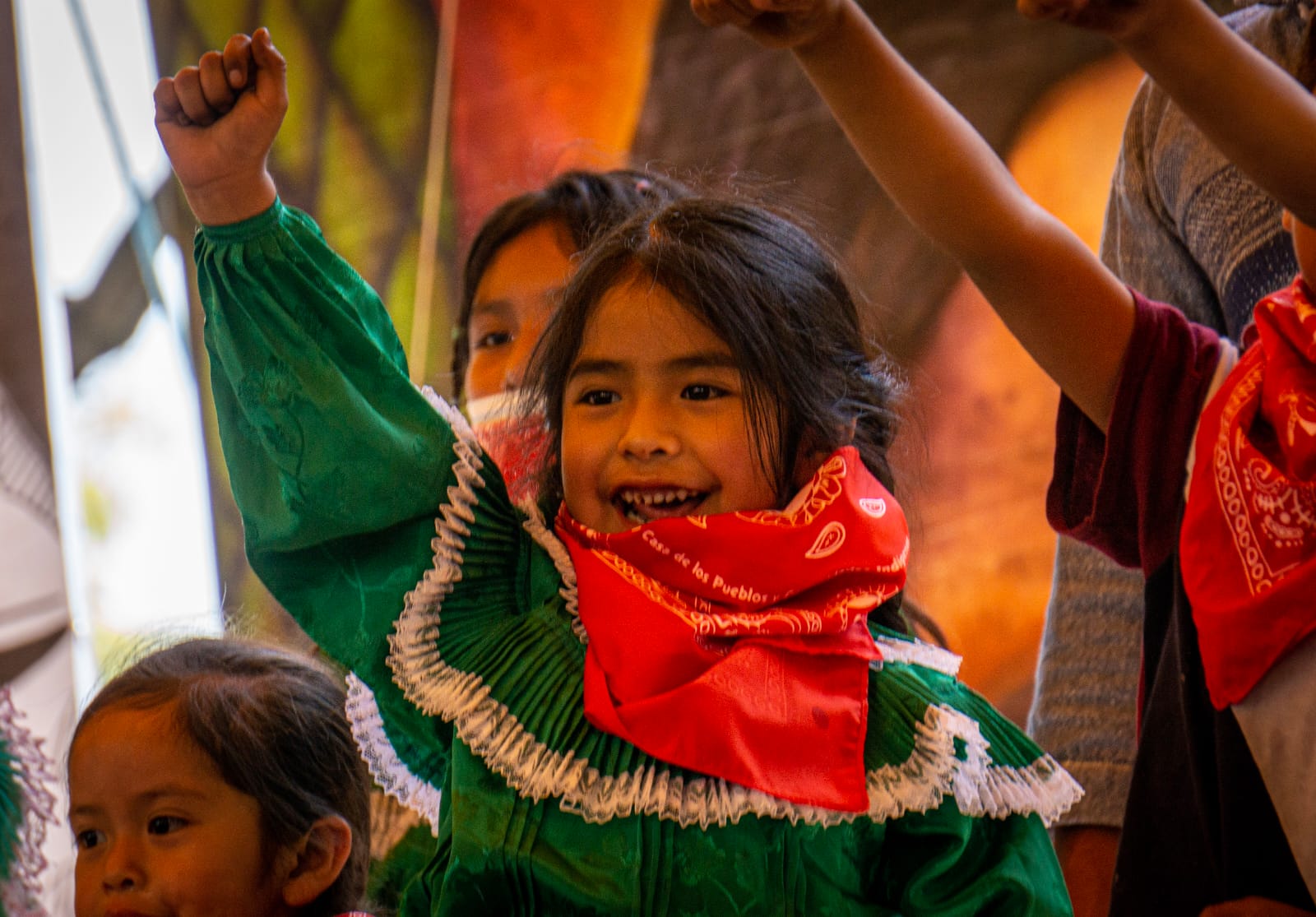
“Otomí, otomí, ya chingamos al INPI, y de aquí no nos vamos a salir
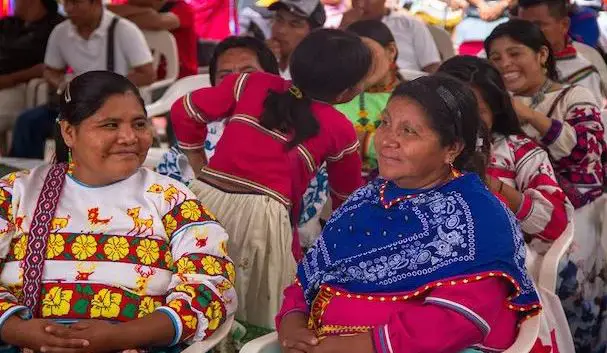
Legends of the Otomí People Mexico Unexplained

Otomí mexicano impreso Vector Premium
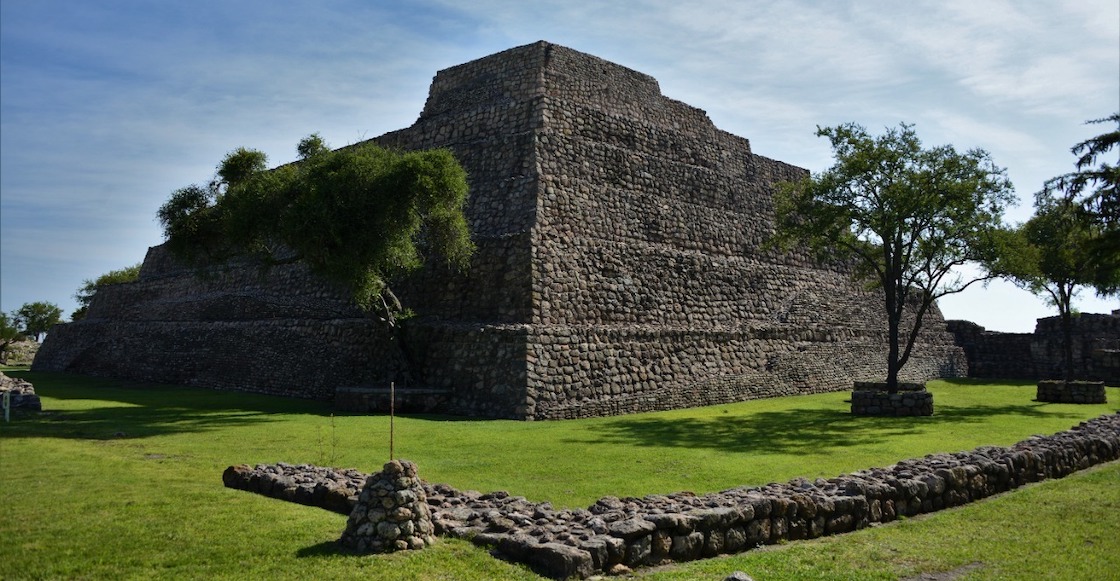
El lugar prehispánico otomí que declararon zona arqueológica en Guanajuato

Centro Ceremonial Otomí una buena alternativa estas vacaciones
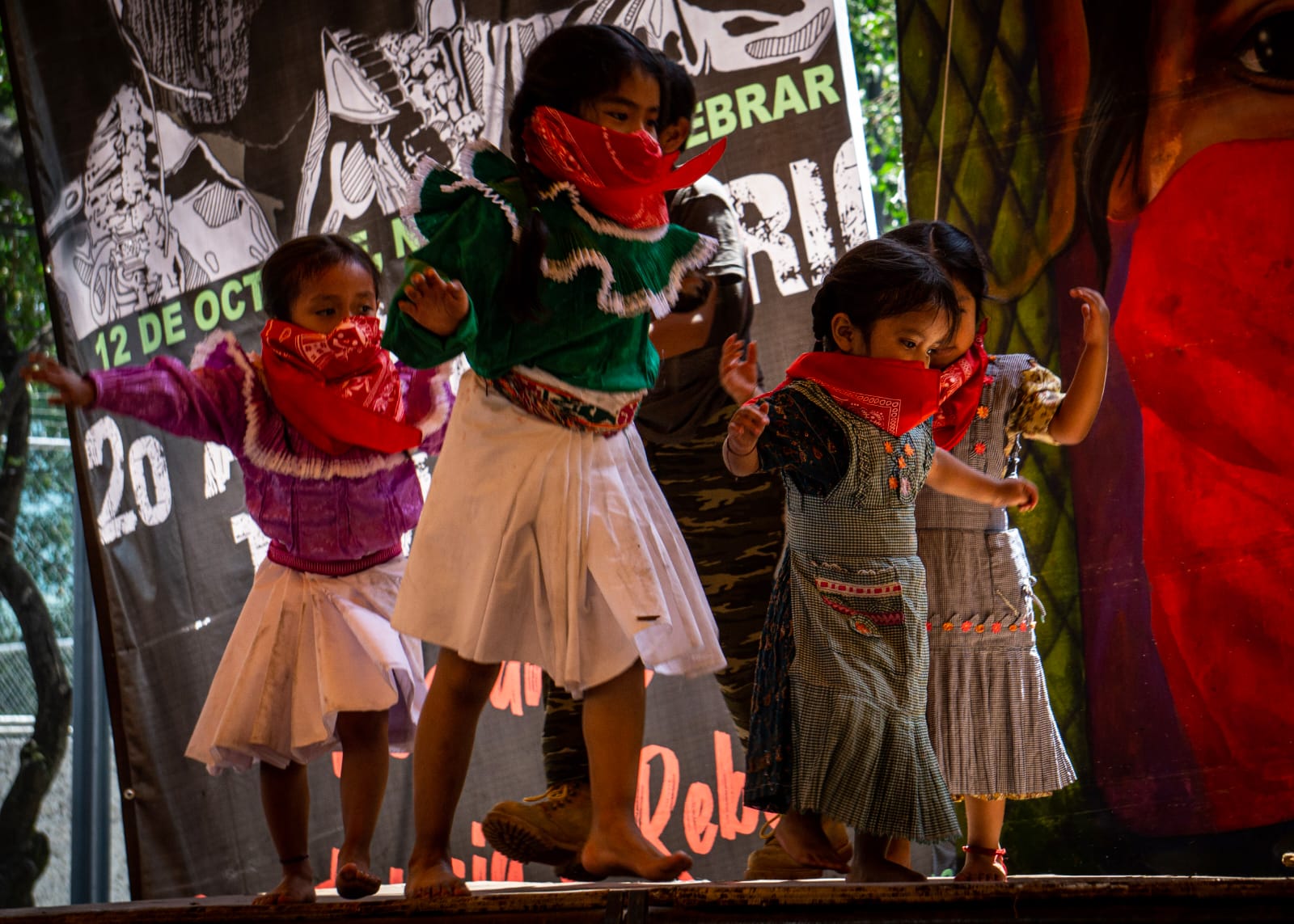
“Otomí, otomí, ya chingamos al INPI, y de aquí no nos vamos a salir
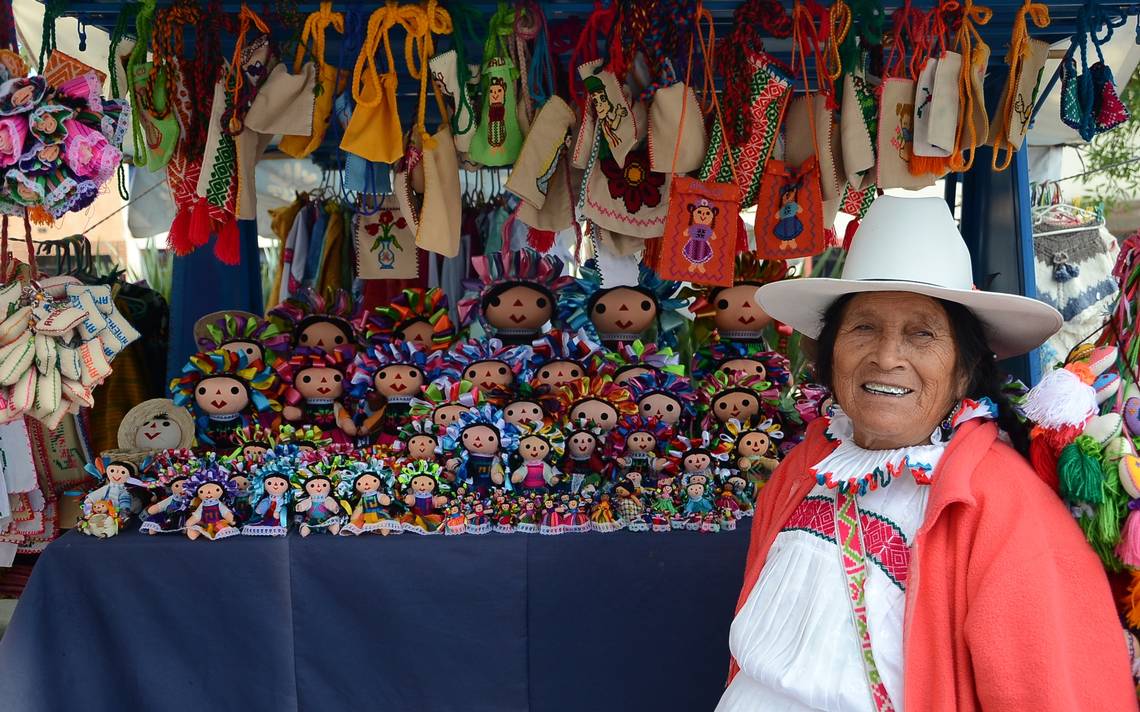
Características de la cultura Otomí y tradiciones

Otomi People

Otomi Embroidery Inspirations Studios
Otomi is a term of Nahuatl origin that derives from otómitl, [8] a word that in the language of the ancient Mexica means “one who walks with arrows”, [9] although authors such as Wigberto Jimenez Moreno have translated it as “bird arrowman”.. Otomi (Hñähñu) Otomi is an Oto-Manguean language spoken by about 240,000 people in central Mexico, especially in the states of México, Puebla, Veracruz, Hidalgo, Guanajuato, Querétaro, Tlaxcala and Michoacán. There are many different dialects of Otomi, some of which are mutually unintelligible, and each one has a different native name for the language, including: Hñähnü, Hñähño.